Traditional Terracotta Continues to Bring Life to Gardens
September 5, 2026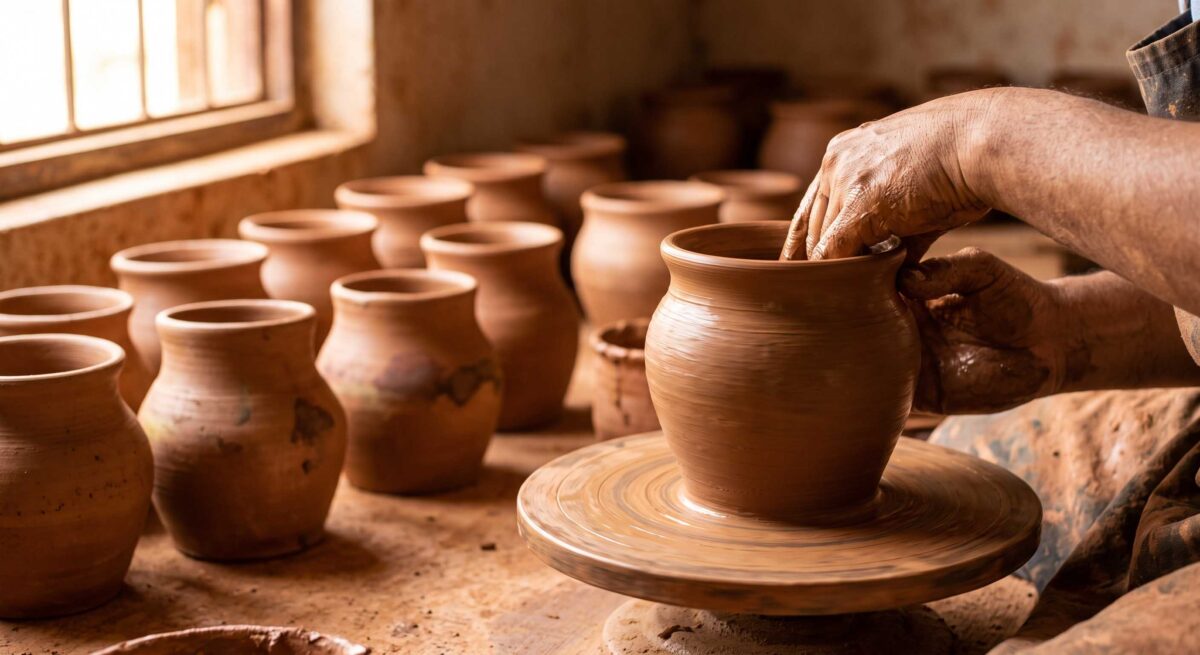
In an age of modern materials, automated manufacturing and constantly changing garden trends, one material continues to hold a special place in gardens across the UK and Europe: handmade terracotta.
Warm, natural and beautifully imperfect, terracotta brings something to a garden that synthetic materials often struggle to replicate — a sense of tradition, craftsmanship and connection with nature.
From cottage gardens in England to Mediterranean-inspired terraces, handmade terracotta pots, planters and garden features remain an enduring choice for gardeners, landscapers and designers.
The Beauty of a Natural, Handmade Material
Terracotta is made from natural clay and fired to create a durable, earthy material with its distinctive warm tones.
What makes handmade terracotta particularly appealing is that every piece carries subtle variations. Small differences in shape, texture, colour and surface are not imperfections — they are evidence of the human hand.
These characteristics give gardens a more natural and authentic appearance.
Unlike perfectly uniform industrial products, handmade terracotta has character. No two pieces need to look exactly the same, allowing gardeners to create spaces that feel individual, relaxed and timeless.
Porous, Breathable and Naturally Suited to Plants
One of the most important qualities of traditional terracotta is its porous nature.
Unlike many non-porous materials, terracotta allows air and moisture to interact naturally through the walls of the pot. This breathable quality can be particularly valuable for plants that prefer well-drained growing conditions.
The porous surface allows some moisture to evaporate through the sides of the pot, helping the growing medium dry more naturally between watering. This makes terracotta especially popular for plants that are sensitive to consistently wet conditions.
For gardeners, this creates a simple but important relationship between plant, soil, water and air.
Of course, terracotta does not eliminate the need for appropriate watering or drainage. Plant requirements, soil composition, climate and pot size all remain important. But the naturally breathable character of terracotta makes it a particularly well-suited material for traditional container gardening.
Why Terracotta Works So Well in European Gardens
The popularity of terracotta in the UK and Europe is not simply about functionality. It is also deeply connected to garden aesthetics and tradition.
Terracotta naturally complements greenery.
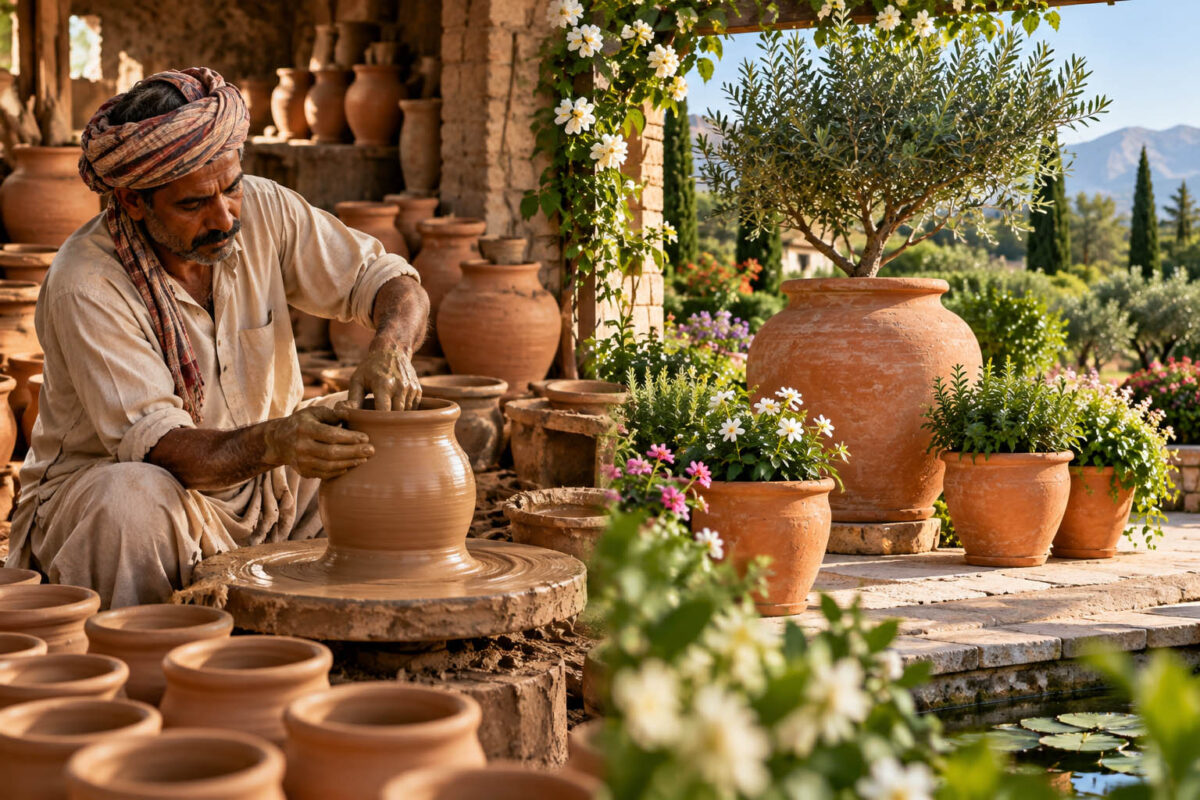
Its earthy colours sit beautifully alongside foliage, flowers, stone, timber, brick and other natural materials. Whether used in a formal garden, a rustic courtyard or a contemporary urban balcony, terracotta introduces warmth without overwhelming the surrounding landscape.
In the UK, terracotta pots are closely associated with traditional gardening — from herb gardens and kitchen gardens to country estates and cottage-style planting.
Across continental Europe, terracotta has an equally strong heritage, particularly in Mediterranean landscapes where clay pots and planters have been used for generations.
A Traditional Touch for Modern Gardens
Perhaps one of terracotta’s greatest strengths is its ability to bridge the old and the new.
A handmade terracotta planter can sit comfortably beside a contemporary outdoor sofa, modern architecture or minimalist landscaping. At the same time, it can look equally at home in a centuries-old garden.
This versatility makes terracotta more than simply a container for plants. It becomes part of the garden’s visual language.
The natural ageing of terracotta can also add to its appeal. Over time, exposure to weather, moisture and the surrounding environment can create changes in colour and surface character, giving pots an established, lived-in appearance.
For many gardeners, this ageing process is part of the charm.
Handmade Makes a Difference
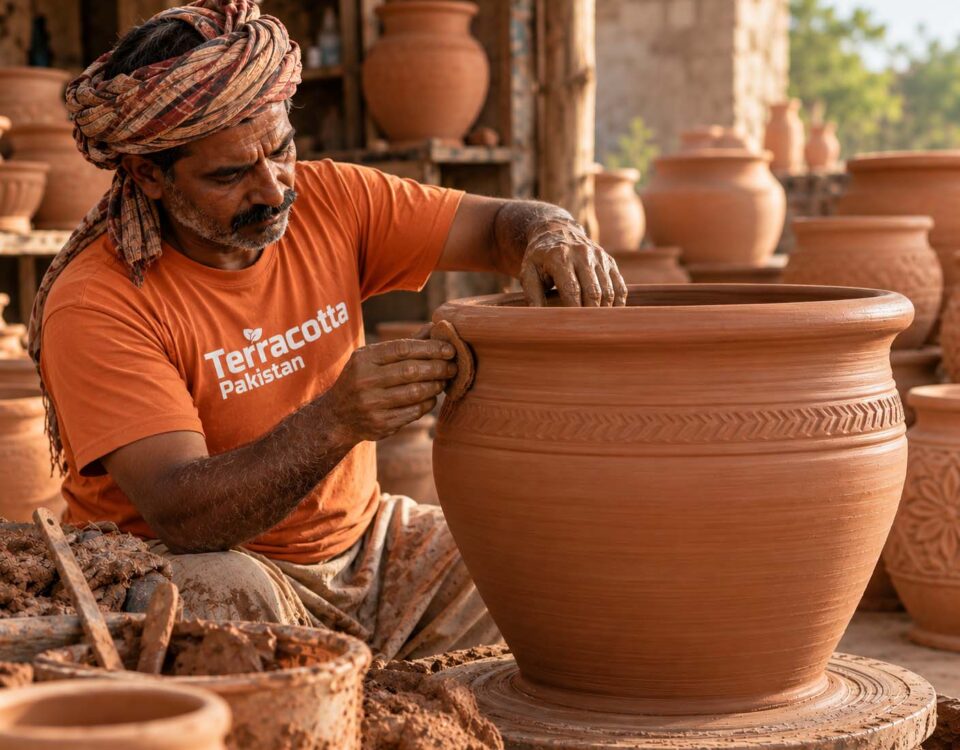
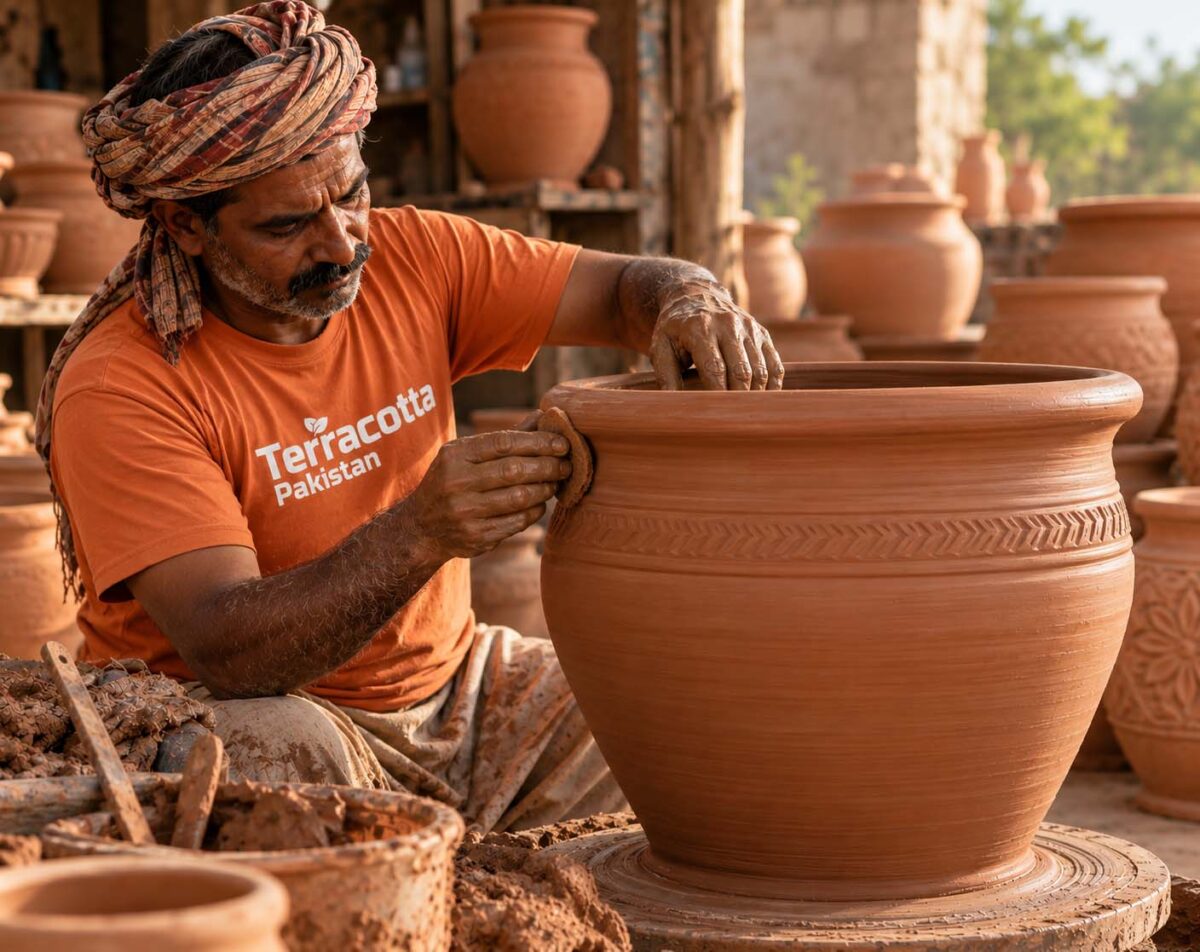
Mass production has brought efficiency and consistency to garden products, but handmade terracotta preserves something different: craftsmanship.
Handmade production allows traditional techniques to remain part of the manufacturing process. The shaping, finishing and firing of clay require experience and an understanding of the material.
The resulting products often have subtle variations that give them individuality.
For customers in the UK and Europe, this authenticity can be particularly valuable. As gardeners increasingly look for natural materials, sustainable choices and products with a story, handmade terracotta offers a connection to traditional craftsmanship that is difficult to reproduce with synthetic alternatives.
From Small Pots to Large Garden Features
Terracotta is remarkably versatile.
It can be used for small pots for herbs and succulents, traditional planters for flowering plants, larger containers for trees and shrubs, and decorative garden features.
It also works naturally alongside other garden materials such as clay bricks, natural stone, river pebbles and landscaping materials.
This allows terracotta to become part of a wider natural landscape rather than an isolated decorative element.
A Material That Never Really Goes Out of Style
Garden fashions change.
Colours change. Planting styles change. Outdoor furniture trends change.
But natural materials tend to remain relevant because they connect contemporary gardens with timeless principles of design.
Handmade terracotta is one of those materials.
Its porous and breathable character makes it practical for many types of container gardening, while its warm earthy appearance adds texture and traditional character. Most importantly, its handmade nature gives each piece a sense of individuality.
That is why, despite the availability of countless modern alternatives, handmade terracotta remains an important part of gardens across the UK and Europe.
It is not simply an old-fashioned gardening material.
It is a natural, functional and beautifully enduring choice — one that brings together craftsmanship, nature and tradition in a way that continues to resonate with modern gardeners.
Terracotta Pakistan
At Terracotta Pakistan, we believe the enduring appeal of terracotta comes from its connection with natural clay, traditional craftsmanship and the gardens it becomes part of.
Using natural clay and traditional manufacturing knowledge, we produce terracotta products designed to bring the warmth and character of handmade clay to gardens and outdoor spaces around the world.
For enquiries and product information, contact us at info@terracotta.pk.